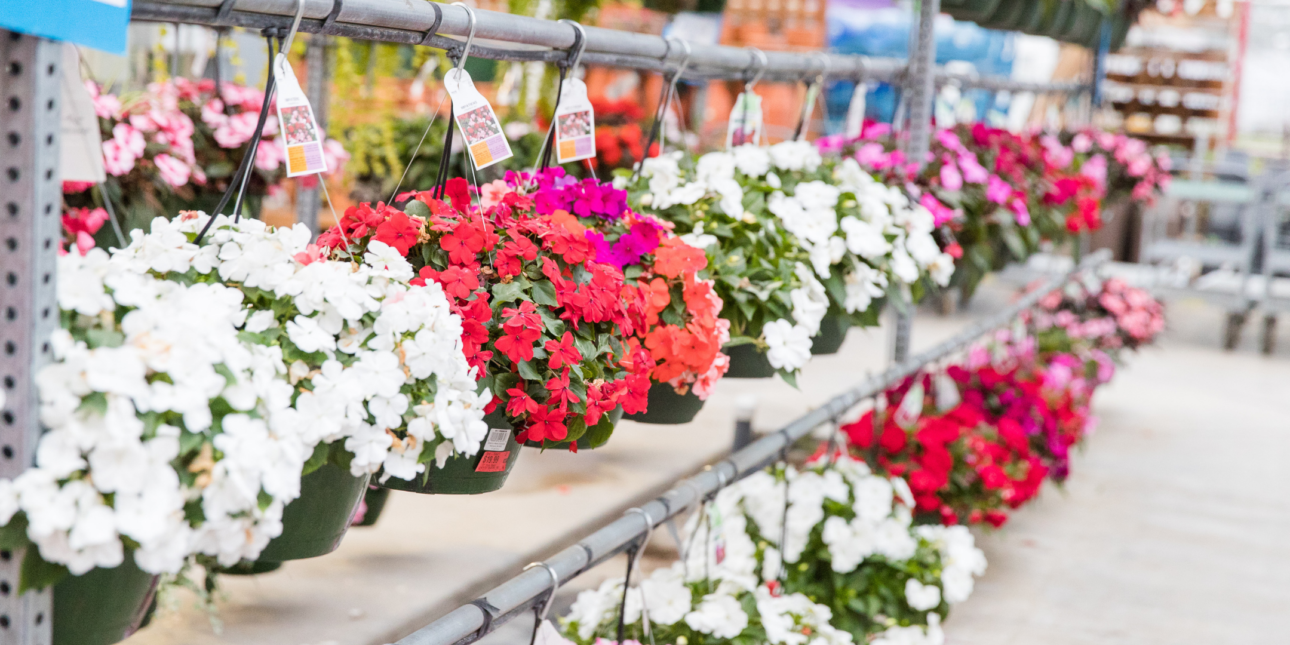
Hanging baskets add instant beauty to any home. With so many to choose from, how do you pick the right one for your needs? Here are some tips to help you select the right hanging basket and how to care for it once you have it home. Some baskets prefer shade and some prefer sun. Select a variety that works well in the area that you are planning to hang the basket. Two favorites are Geraniums for sunny locations and …

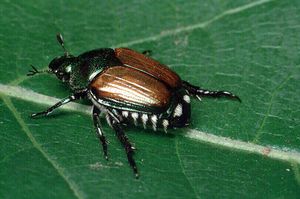
Look Out! Japanese Beetles! (Popilia japonica)
If you have noticed the foliage slowly disappearing from your plants, you may have a problem with these bugs. Are you ready to protect your garden? Have you noticed 1/2” long, shiny, metallic green beetles in your garden lately? Is the foliage of your plants slowly disappearing? Chances are you might have Japanese beetles infesting your garden. Most commonly these creatures are found in the eastern half of the United States but they are moving westward. Since the beetles attack …
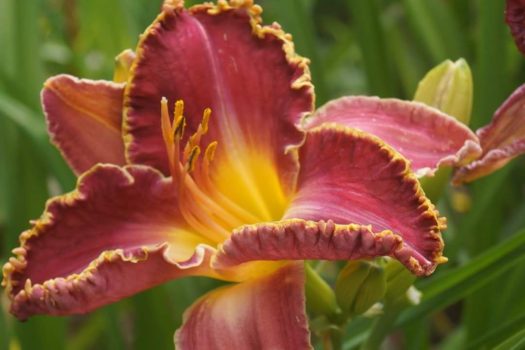
Daylilies – Also known as Hemerocallis
Daylilies – the perfect perennial! Perfection is a pretty high standard but I think you might agree that this plant comes pretty close to meeting that definition. Their real name is Hemerocallis but that just does not sound as pleasant as “Daylily”. They’re called the perfect perennial because they seem to thrive everywhere they are planted with very little care and come in several colors. A fun fact is that each bloom usually only lasts for a day and then it …
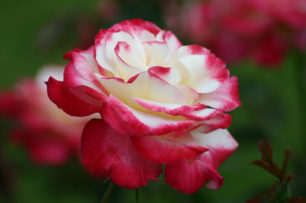
Fall for Roses?
Are you looking for some late season color or something to fill a gap in a shrub or perennial border where a plant was lost or under performing due to last winter? It is time to consider roses. Yes, ROSES! Roses are traditionally promoted as spring items, especially as gifts for Mother’s Day, but the late summer/fall season, from August 15 until September 15, is actually perhaps the best season to plant new roses, or to transplant existing ones. As we …
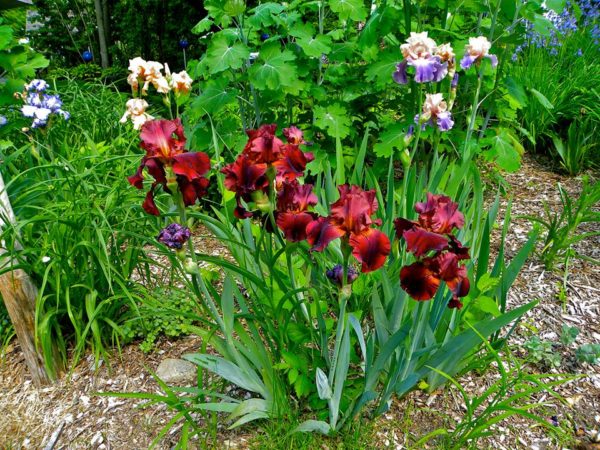
How to Plant, Grow, and Care for Irises
How to Grow Iris: Irises should be planted in July, August, September. It is imperative that the roots of the newly planted iris be well-established before the growing season ends. Irises need at least half a day of sun. Be sure to provide good drainage, planting either on a slope or in raised beds. Ideal PH is 6.8 (slightly acidic). Irises should be planted so the tops of the rhizomes are exposed and the roots are spread out facing downward …
Why Doesn’t my Hydrangea Bloom?
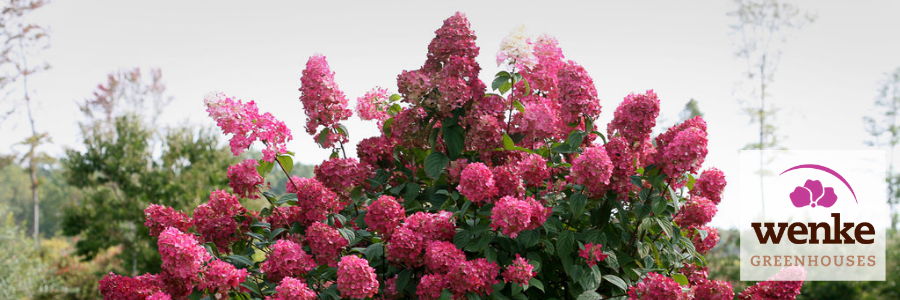
Many customers ask why their hydrangeas aren’t blooming. The primary reasons hydrangeas don’t bloom are incorrect pruning, bud damage due to winter and/or early spring weather, location and too much fertilizer. Let’s start with pruning… Hydrangea varieties can be of the type that blooms on old wood, new wood or both. Old wood is the current year’s growth and new wood is next year’s (spring) growth. Say you purchased a Nikko Blue Hydrangea this year. Nikko’s produce blooms in the fall for next …
Join Team Green with Kale, Swiss Chard and Spinach
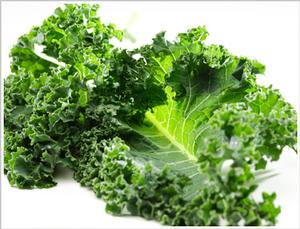
Eating these three amazing green nutritional superstars, kale, swiss chard and spinach, will help you enhance your palate and your body as well. These greens can be added to almost any dish and will enhance the look of your main course while accentuating it’s flavor. When eaten regularly, these three leafy green vegetables can help you to live a healthier life. When it comes to greens, the darker the better. Leafy greens contain vitamins and fiber which are said to help prevent lung …
What is frost, and what does it mean for your garden?
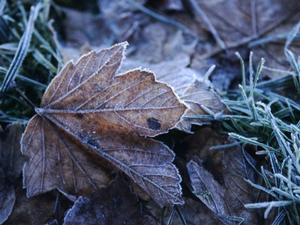
Ice crystals form at temperatures below 32°F, when water vapor condenses out of the air and settles on a cool surface, such as your garden beds or garden plants. Frost is just a frozen form of dew, and it damages plants by freezing the water inside the plant cells, which then burst and die. A light frost can occur at 30-32°F. There’s a touch of white on the ground, but it’s short-lived; as soon as the sun hits it, it’s …
Creating Winter Interest in the Garden
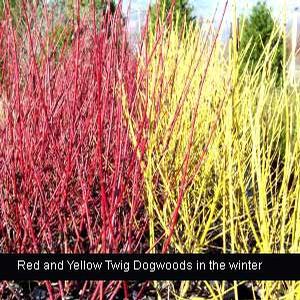
As gardeners, we have a tendency to concentrate our efforts on spring and summer while often neglecting the fall and winter. When choosing plants, keep in mind things like branching habits, color, unusual bark, persisting seeds and berries, or swaying seed heads of ornamental grasses. These features will keep your landscapes alive and interesting throughout the winter months. There is still time to add some plants to the garden that can reward you with a beautiful garden every day of …
Put Your Fall Leaves To Work
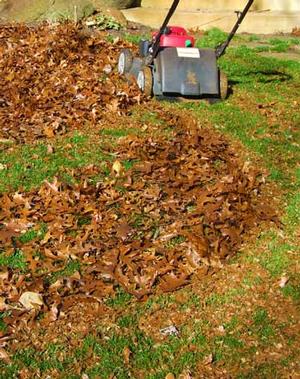
The leaves of fall are one of nature’s most gorgeous gifts but I find that I appreciate them even more after they have fallen off the trees. Yes, I said after. While I don’t look forward to the work of cleaning up the leaves any more than you do, I have a very deep appreciation for what they will mean to my lawn and garden a few months from now. Where most people see fallen leaves as hours of raking, …